

How to Build Your First Budget in Hong Kong
Learn the practical steps to create a budget that actually fits your lifestyle and income in Hong Kong.
Understanding how credit cards work, managing debt effectively, and building the credit habits that actually stick. Everything you need to know about staying on top of your finances in Hong Kong’s fast-paced environment.


Credit cards aren’t just pieces of plastic. They’re financial tools that can either work for you or against you, depending on how you use them. In Hong Kong, where the cost of living is high and opportunities come fast, understanding credit cards isn’t optional — it’s essential.
Here’s the thing: credit cards offer convenience and rewards. But they also make it easy to spend money you don’t have. We’ve seen plenty of people end up with debt they didn’t plan for because they didn’t fully understand how their cards worked. That’s what we’re fixing today.
When you swipe or tap your credit card, you’re essentially borrowing money from the card issuer. The bank pays the merchant, and you’re responsible for paying the bank back. Sounds simple, right? But there’s more to it.
Most Hong Kong credit cards give you a grace period — typically 20 to 25 days — to pay back what you’ve spent without paying any interest. This is where people often get confused. Just because you’re not charged interest immediately doesn’t mean the debt disappears. You still owe it.
Interest rates on Hong Kong credit cards typically range from 12% to 36% per year. That might sound high, and honestly? It is. If you’re carrying a balance of HKD 10,000 at 18% APR and only making minimum payments, you’re looking at several years to pay it off and roughly HKD 4,000+ in interest charges.

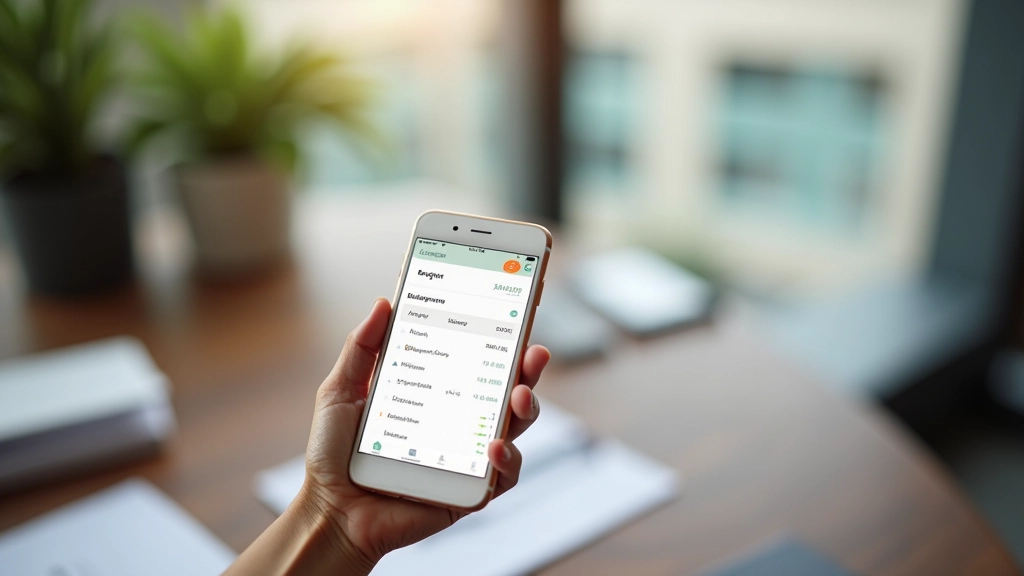
So you’ve got a credit card (or three). How do you actually use it without drowning in debt? Strategy. Most people don’t have one, which is why they end up stressed about money.
First: use credit cards for what they’re good for. Rewards programs in Hong Kong can be genuinely useful. You might earn 1% to 3% cashback on spending you’d do anyway. That’s real money back in your pocket. But — and this is critical — only do this if you’re paying the full balance every month. The moment you start carrying a balance to chase rewards, you’ve lost the game.
Not all cards are created equal. Compare annual fees, cashback rates, and bonus categories. If you don’t travel, a travel rewards card might not be worth it.
Use your phone or a spreadsheet. Know exactly what you’re spending. Most people don’t, which is why they’re shocked by their bill.
Set up a reminder. Pay the full balance before the grace period ends. This is non-negotiable if you want to stay ahead.
If you’re already in debt, don’t feel terrible about it. It happens to a lot of people. But you need a plan to get out.
Let’s be honest: if you’re carrying a balance, you’re paying interest. A lot of it. But there are actual strategies that work, not just generic advice.
Pay off your smallest debt first while making minimum payments on the rest. You’ll get quick wins, which keeps you motivated. Psychology matters.
Attack the highest interest rate debt first. This saves you the most money over time. Better mathematically, though it takes longer to see results.
Hong Kong banks sometimes offer balance transfer deals — moving debt from one card to another with a lower interest rate. It’s worth investigating, but read the fine print. There’s often a transfer fee (1-3% of the balance), and the low rate usually expires after 6-12 months.
Debt consolidation is another option. You take out a personal loan at a lower rate and use it to pay off your credit cards. It’s not magic, but if your interest rates are brutal (24-36%), it might be worth exploring with your bank.


In Hong Kong, your credit score isn’t just a number — it affects your ability to borrow money, get better interest rates, and sometimes even affects job opportunities. It’s worth taking seriously.
Your credit score is built on payment history (35%), credit utilization (30%), length of credit history (15%), credit mix (10%), and new inquiries (10%). The two big ones are whether you pay on time and how much of your available credit you’re using.
Here’s what actually improves your score: paying bills on time every single time. Missing even one payment can drop your score by 50+ points. Keep your credit card balances below 30% of your limit. Don’t close old accounts, even if you don’t use them — they help your score.
Don’t apply for multiple cards in a short period. Each application creates a hard inquiry, which temporarily dings your score. Space applications out by at least 3-6 months if you need multiple cards.
Credit cards aren’t evil. Debt isn’t something to be ashamed of. But they’re tools that require respect and understanding. The people who succeed with money aren’t necessarily the ones earning the most — they’re the ones making intentional decisions about their finances.
You now know how credit cards actually work, how to avoid debt traps, and what to do if you’re already stuck. The next step is action. Pick one thing from this guide and implement it this week. Maybe it’s setting up automatic full-balance payments. Maybe it’s switching to the snowball method if you’re in debt. Maybe it’s just tracking your spending for the first time.
Credit and debt management isn’t complicated once you understand the basics. You’ve got this.
Explore our other guides on budgeting, emergency funds, and long-term financial planning.
Explore Budgeting ResourcesThis guide is educational information designed to help you understand credit cards and debt management in Hong Kong. It’s not financial advice, and circumstances vary for everyone. Interest rates, card features, and financial products change frequently. Before making major financial decisions — especially about debt consolidation, balance transfers, or taking on credit — speak with a qualified financial advisor who understands your specific situation. Different approaches work for different people, and what works for one person might not work for another.